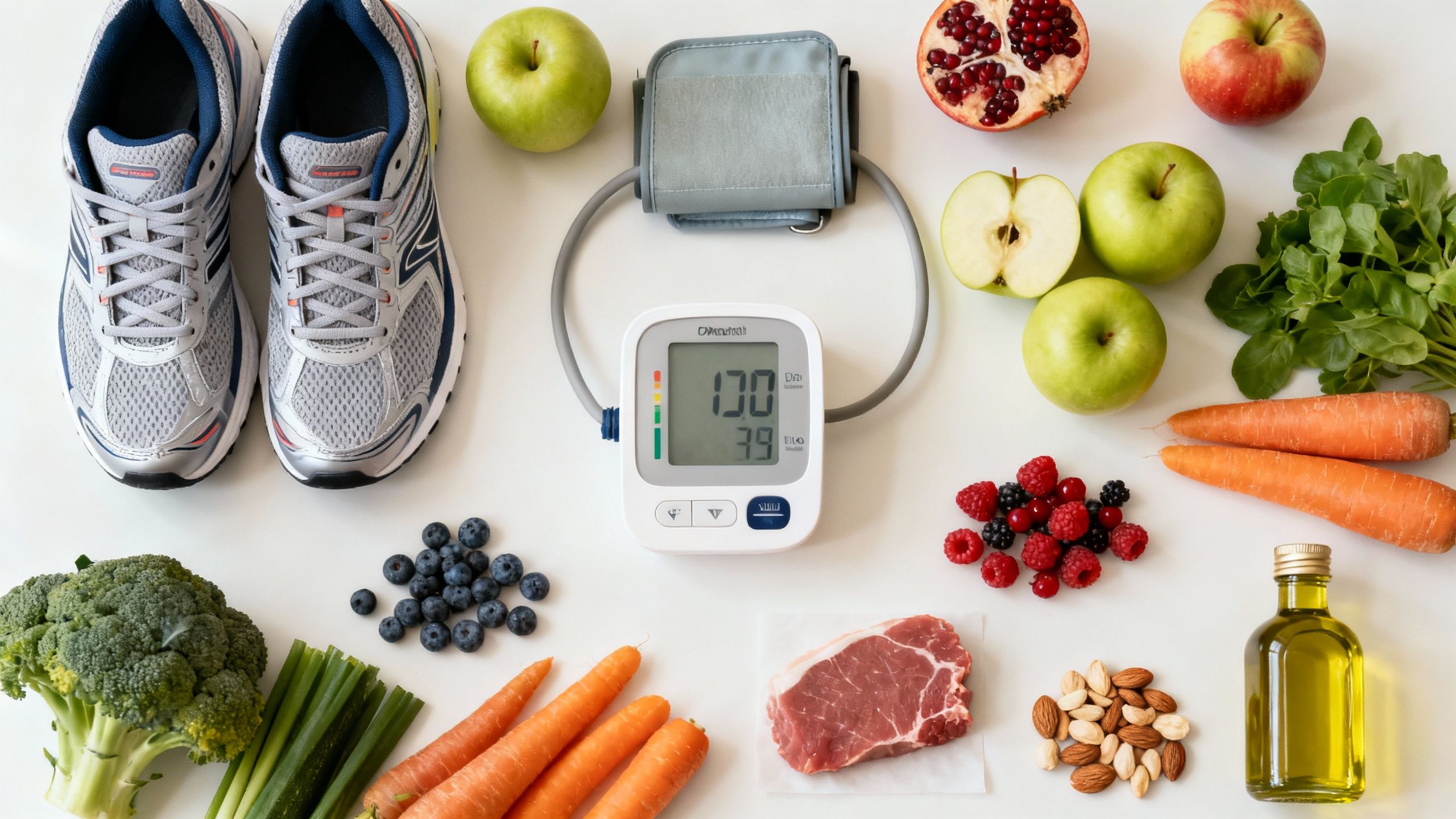
Heart disease remains the leading cause of death worldwide, making a comprehensive understanding of the basics on heart disease critical for those wanting to achieve an Optimal Heart. Addressing heart disease isn't only about prevention; it also involves effective management strategies for improved Heart Health throughout life. This article explores essential concepts everyone should know regarding heart disease, weaving practical advice and scientific evidence to support your journey toward optimal cardiovascular health.
Introduction
Heart disease, also known as cardiovascular disease (CVD), refers to a group of disorders affecting the heart and blood vessels. These include coronary artery disease, heart attack, congestive heart failure, arrhythmias, and more. The origins of heart disease involve a complex interplay of genetic, lifestyle, and environmental factors that lead to impaired Heart Health and increase the risk of negative cardiovascular outcomes. According to research, risk factors such as hypertension, high cholesterol, smoking, poor diet, and lack of exercise are among the leading contributors to this condition (CDC, 2022; Mendis et al., 2011).
What is basics on heart disease?
Understanding the basics on heart disease is vital to preventing and managing the condition, promoting an Optimal Heart, and supporting overall Heart Health. Evidence shows that timely lifestyle modification—such as increased physical activity, healthy nutritional choices, and smoking cessation—reduces high blood pressure, lowers cholesterol, decreases arterial plaque buildup, and minimizes inflammation (WHO, 2017; Benjamin et al., 2023). Regular screening and medical management can also prevent heart attacks and strokes, supporting longer, healthier lives.
Benefits and Outcomes in Heart Disease
Research Insights
Recent studies highlight that controlling modifiable risk factors greatly enhances Heart Health and Optimal Heart outcomes. A landmark cohort study found that people adhering to a heart-healthy diet and regular exercise regime had a 70% lower risk of heart disease events compared to those who did not (Estruch et al., 2018). In addition, clinical guidelines emphasize the importance of early risk assessment and targeted therapies, such as statins and antihypertensives, in reducing morbidity and mortality (Arnett et al., 2019). Systematic reviews reaffirm that comprehensive care models integrating lifestyle, medication, and psychosocial support lead to more sustained improvements in Heart Health and an Optimal Heart.
Practical Applications
Applying the basics on heart disease in daily life means focusing on a balanced diet—rich in fruits, vegetables, whole grains, healthy fats (like those in olive oil and nuts), lean proteins, and low in salt and processed foods. At least 150 minutes of moderate-intensity exercise per week is recommended for adults (American Heart Association, 2022). People with additional risk factors should monitor their blood pressure, cholesterol, and blood sugar regularly, following individual medical advice for medications if needed. Smoking cessation and stress management are crucial for sustained Heart Health and achieving an Optimal Heart (CDC, 2022). Populations with a family history or other predisposing factors should consult healthcare professionals for personalized prevention plans.
Risks & Limitations
While significant progress has been made, challenges remain. Some therapies may cause side effects, such as statins leading to muscle pain in a small subset of patients (Needham, 2018). Not all risk factors are modifiable (e.g., age, genetics), and access to healthcare or healthy food remains a barrier for some populations. Research evolves, and recommendations may change as new evidence emerges, so it is crucial to stay updated through reputable sources and ongoing medical consultations (Arnett et al., 2019).
Key Takeaways
Understanding and applying the basics on heart disease is crucial for Heart Health and achieving an Optimal Heart.
Early detection, regular screening, and adherence to medical treatment improve health outcomes.
Comprehensive care, including psychological and social support, enhances long-term prognosis.
Stay informed about evolving Heart Health recommendations for maintaining an Optimal Heart.
Frequently Asked Questions
1. What are the main types of heart disease? Heart disease includes coronary artery disease, heart attack, heart failure, arrhythmias, and valvular disease (CDC, 2022).
2. How can I prevent heart disease naturally? Adopting a healthy diet, regular physical activity, maintaining a healthy weight, not smoking, and managing stress are key steps (WHO, 2017).
3. When should I see a doctor about my heart health? Individuals with risk factors (family history, high blood pressure, cholesterol, or diabetes) should consult healthcare professionals regularly for heart health assessments (Arnett et al., 2019).
Understanding the basics on heart disease is an essential foundation for preserving Heart Health and striving for an Optimal Heart. By taking proactive steps—making lifestyle changes, undergoing regular health screenings, and seeking professional guidance—you can greatly lower your risk and enhance your quality of life. Start small today and build stronger, heart-healthy habits for a better tomorrow—your future self will thank you!
References
Centers for Disease Control and Prevention (CDC), 2022. About Heart Disease. CDC Division for Heart Disease and Stroke Prevention. https://www.cdc.gov/heartdisease/about.htm
Estruch, R., Ros, E., Salas-Salvadó, J., et al. (2018). Primary Prevention of Cardiovascular Disease with a Mediterranean Diet Supplemented with Extra-Virgin Olive Oil or Nuts. New England Journal of Medicine. https://www.nejm.org/doi/full/10.1056/NEJMoa1800389
New research from Oregon Health & Science University highlights a crucial factor in heart failure recovery: regular sleep. Patients with consistent sleep schedules greatly reduce their risk of hospitalization or death, while irregular patterns can double serious clinical events. Want to know how?
Transform your cardiovascular health with natural supplements like Heart Freedom and Zenith Labs BP Zone. Formulated with garlic, hibiscus, and green tea, these supplements help manage blood pressure, enhance circulation and reduce oxidative stress. Learn how they can elevate your wellness journey.
Experience walking meditation, where movement meets mindfulness. Alleviate stress, enhance your mood, and sharpen your mind as you sync your breath with each step. Deepen your connection to your body and the world, your next peaceful journey awaits with every stride.