In the quest for a long and healthy life, few dietary components are as powerful as fiber. Often overlooked, this humble carbohydrate plays a monumental role in maintaining overall wellness, especially when it comes to cardiovascular function. For individuals focused on achieving Optimal Heart status and robust Heart Health, understanding the benefits of fiber is not just helpful—it's essential. A high-fiber diet is a cornerstone of preventing heart disease and supporting positive outcomes for those already managing cardiovascular conditions. This article explores the science-backed evidence demonstrating how increasing your fiber intake can protect your heart.
Introduction
Dietary fiber is a type of carbohydrate that the body cannot digest or absorb. Instead of being broken down, it passes relatively intact through the stomach, small intestine, and colon. Fiber is commonly classified into two categories: soluble, which dissolves in water to form a gel-like material, and insoluble, which promotes movement through your digestive system. Both types are crucial for health, but soluble fiber, in particular, has been extensively studied for its direct benefits on cardiovascular health markers. Its role in promoting an Optimal Heart environment is linked to its ability to influence cholesterol levels, blood pressure, and inflammation Soliman, 2019.
What is Benefits of fiber?
Incorporating more fiber into your diet is one of the most effective strategies for improving Heart Health. The evidence is clear and compelling:
Lowers Cholesterol: Soluble fiber, found in foods like oats, beans, apples, and citrus fruits, can lower low-density lipoprotein (LDL), or "bad," cholesterol levels. It does this by binding with cholesterol and bile acids in the digestive system and removing them from the body, which helps reduce the amount of cholesterol that can form artery-clogging plaques Soliman, 2019.
Reduces Blood Pressure: Multiple studies have confirmed a link between higher fiber intake and lower blood pressure. A comprehensive meta-analysis of randomized controlled trials found that increasing dietary fiber leads to significant reductions in both systolic and diastolic blood pressure, reducing strain on the heart and blood vessels Evans, et al., 2021.
Decreases Inflammation: Chronic inflammation is a key driver of atherosclerosis (the hardening of arteries). Dietary fiber helps combat this by feeding beneficial gut bacteria, which in turn produce short-chain fatty acids (SCFAs). These compounds have anti-inflammatory effects throughout the body, contributing to better cardiovascular outcomes Paiva, et al., 2021.
Benefits and Outcomes in Heart Disease
A landmark series of systematic reviews and meta-analyses published in The Lancet provided powerful evidence supporting fiber's role in health. The research, which analyzed nearly 200 studies, found that people who consumed the most fiber had a 15–30% lower risk of all-cause and cardiovascular-related mortality compared to those who ate the least. The study concluded that for every 8-gram increase in daily fiber intake, the risk of coronary heart disease, type 2 diabetes, and colorectal cancer decreased significantly, reinforcing its importance for Heart Health Reynolds, et al., 2019. This robust evidence solidifies dietary fiber as a primary tool for achieving an Optimal Heart and preventing chronic disease.
Research Insights
Increasing your fiber intake is straightforward. The American Heart Association recommends a daily intake of 25 to 30 grams from food, not supplements American Heart Association, 2021. To reach this goal:
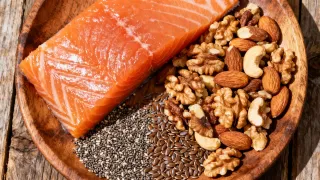
Prioritize Whole Foods: Focus on fruits, vegetables, beans, lentils, nuts, seeds, and whole grains like oatmeal, quinoa, and brown rice.
Start Your Day Strong: A bowl of oatmeal topped with berries and nuts can provide a significant portion of your daily fiber needs.
Incorporate Legumes: Add beans or lentils to soups, salads, and main dishes.
Increase Gradually: To avoid digestive discomfort like gas and bloating, add fiber to your diet slowly over a few weeks and be sure to drink plenty of water.
Practical Applications
While dietary fiber is overwhelmingly safe and beneficial, there are a few considerations. Rapidly increasing your fiber intake can lead to temporary gas, bloating, and abdominal cramping. This can be minimized by making gradual changes and ensuring adequate fluid intake. For individuals with certain gastrointestinal conditions, such as Irritable Bowel Syndrome (IBS), specific types of fiber may worsen symptoms, and guidance from a healthcare provider is recommended. While fiber supplements are available, most experts agree that obtaining fiber from whole foods is superior, as it also provides a wide array of essential vitamins, minerals, and phytonutrients crucial for Heart Health American Heart Association, 2021.
Risks & Limitations
A high-fiber diet is strongly associated with improved Heart Health and a significantly lower risk of cardiovascular disease and mortality.
Fiber helps create an Optimal Heart environment by lowering LDL ("bad") cholesterol, reducing blood pressure, and fighting inflammation.
Aim for a daily intake of 25-30 grams of fiber from whole food sources like fruits, vegetables, legumes, and whole grains.
Increase your fiber intake gradually and drink plenty of water to allow your digestive system to adjust.
Key Takeaways
Frequently Asked Questions
1. Can eating more fiber reverse heart disease?
While not a standalone "cure," a high-fiber diet is a critical component of managing and potentially slowing the progression of heart disease by improving key risk factors like cholesterol and blood pressure Reynolds, et al., 2019.
2. Is soluble or insoluble fiber more important for heart health?
Both are beneficial, but soluble fiber has a more direct and proven effect on lowering LDL cholesterol, a primary goal for Heart Health. A healthy diet should include plenty of both types Soliman, 2019.
3. Are fiber supplements as good as high-fiber foods?
Supplements can help you reach your daily goal, but they lack the vitamins, minerals, and other beneficial compounds found in whole foods. Therefore, getting fiber from your diet is always the preferred approach for achieving an Optimal Heart American Heart Association, 2021.
Suggested Links
American Heart Association: Whole Grains, Refined Grains, and Dietary Fiber
The Nutrition Source - Harvard T.H. Chan School of Public Health: Fiber
PubMed: Carbohydrate quality and human health: a series of systematic reviews and meta-analyses
Conclusion
The evidence is undeniable: dietary fiber is a powerhouse nutrient for cardiovascular protection. By lowering cholesterol, reducing blood pressure, and curbing inflammation, a fiber-rich diet is a proactive, effective, and accessible strategy for fostering long-term Heart Health. Making simple swaps and consciously including more whole foods in your meals can pave the way toward an Optimal Heart. We encourage you to speak with a healthcare provider or registered dietitian to tailor a heart-healthy eating plan that works for you.
References
Reynolds, A., Mann, J., Cummings, J., Winter, N., Mete, E., & Te Morenga, L. (2019). Carbohydrate quality and human health: a series of systematic reviews and meta-analyses. The Lancet. https://doi.org/10.1016/S0140-6736(18)31809-9
Soliman, G. A. (2019). Dietary Fiber, Atherosclerosis, and Cardiovascular Disease. Nutrients. https://doi.org/10.3390/nu11051155
Evans, C. E., Greenwood, D. C., & Threapleton, D. E. (2021). Effects of dietary fibre on blood pressure, glucose, and lipids: A systematic review and meta-analysis of randomised controlled trials. Journal of Human Nutrition and Dietetics. https://doi.org/10.1111/jhn.12824
American Heart Association. (2021). Whole Grains, Refined Grains, and Dietary Fiber. www.heart.org. https://www.heart.org/en/healthy-living/healthy-eating/eat-smart/nutrition-basics/whole-grains-refined-grains-and-dietary-fiber
Paiva, C., Duarte, M., & Ladeira, C. (2021). The Role of Dietary Fiber in the Inflammatory Process of Cardiovascular Diseases. Foods. https://doi.org/10.3390/foods10112791