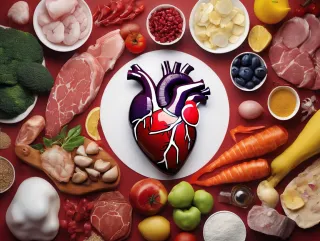
Modern dietary patterns like plant-based, pescatarian, and carnivore diets are center stage in health discussions, especially regarding heart health and achieving an optimal heart. With rising rates of cardiovascular disease, understanding how these eating styles impact inflammation, lipid profiles, and nutrient sufficiency is more important than ever for anyone seeking heart disease prevention and improved cardiovascular outcomes. This article offers an evidence-informed comparison of these popular diet tribes—highlighting their impacts on heart health, practicality, and overall wellbeing so you can make empowered choices for an optimal heart.
Introduction
Modern dietary patterns like plant-based, pescatarian, and carnivore diets are center stage in health discussions, especially regarding heart health and achieving an optimal heart. With rising rates of cardiovascular disease, understanding how these eating styles impact inflammation, lipid profiles, and nutrient sufficiency is more important than ever for anyone seeking heart disease prevention and improved cardiovascular outcomes. This article offers an evidence-informed comparison of these popular diet tribes—highlighting their impacts on heart health, practicality, and overall wellbeing so you can make empowered choices for an optimal heart.
What is a Balanced Look at Popular Diet Tribes for Lipids, Inflammation, Nutrient Sufficiency, and Practicality?
A balanced look means critically evaluating the plant-based, pescatarian, and carnivore diets in terms of their effects on cholesterol (lipids), inflammation, essential nutrient intake, and everyday practicality. These diets originate from different philosophies: plant-based focuses on whole plant foods, pescatarian includes fish and seafood as primary animal products, and carnivore is almost exclusively animal-based. Each can impact cardiovascular health differently, as shown by research studying associations with heart health outcomes and risk factors like cholesterol, blood pressure, and inflammation [Satija et al., 2017; Clarys et al., 2014].
Benefits and Outcomes in Heart Disease
Plant-Based Diets
Plant-based diets consistently show benefits for heart health, such as reducing LDL ("bad") cholesterol, lowering blood pressure, and decreasing systemic inflammation—cornerstones of achieving an optimal heart [Satija et al., 2017; Tuso et al., 2013].
Pescatarian Diets
Adding fish (rich in omega-3 fatty acids) provides anti-inflammatory and lipid-lowering effects, plus unique nutrients for heart health [Kris-Etherton et al., 2002]. Studies report lower rates of heart disease and death among pescatarians compared to omnivores [Clarys et al., 2014].
Carnivore Diets
A carnivore diet can improve HDL ("good") cholesterol and sometimes triglycerides, but may raise LDL and miss out on heart-healthy fiber and phytonutrients. Limited research links long-term carnivore eating with increased risk factors due to lack of plant foods, though some report improved metabolic markers—clinical evidence is very limited [O'Hearn & Diamandis, 2019].
Research Insights
The largest and most rigorous studies show that plant-based and pescatarian diets are linked with lower rates of heart disease and improved cardiovascular outcomes. The EPIC-Oxford cohort found that vegans and pescatarians had significantly reduced risk of ischemic heart disease compared to meat-eaters [Appleby et al., 2019]. Omega-3-rich fish consumption remains a cornerstone in official heart health guidelines due to robust anti-inflammatory and lipid-lowering effects [Kris-Etherton et al., 2002]. On the contrary, systematic reviews caution about possible adverse effects of strict carnivore diets owing to high saturated fats and lack of key micronutrients [O'Hearn & Diamandis, 2019].
Practical Applications
Plant-based diet: Emphasize legumes, whole grains, fruits, and vegetables to optimize cholesterol and inflammation. Pay attention to vitamin B12, iron, and omega-3s [Tuso et al., 2013].
Pescatarian diet: Feature fish (especially fatty fish like salmon or sardine) 2–3 times per week for heart health benefits. Blend with plant-based staples for a balanced nutrient profile [Kris-Etherton et al., 2002].
Carnivore diet: If pursued, opt for lean animal proteins and include organ meats for nutrients, but be mindful of potential fiber and vitamin deficiencies. Most research does not recommend this long-term for heart health without careful medical supervision [O'Hearn & Diamandis, 2019].
Risks & Limitations
Plant-based diets, if not well planned, may risk B12, iron, or omega-3 deficiencies, especially in older adults [Clarys et al., 2014]. Pescatarian diets could present mercury exposure risks; choosing low-mercury fish is critical [FDA, 2022]. Carnivore diets may increase LDL cholesterol and decrease gut microbiome diversity; long-term effects lack robust human data [O'Hearn & Diamandis, 2019].
Key Takeaways
- Plant-based and pescatarian diets are most supported for heart health and optimal heart outcomes.
- Carnivore diet may improve some markers but lacks key nutrients supporting long-term heart health.
- Each diet presents practical and nutrient sufficiency considerations—personalization is key.
- Omega-3s from fish play a significant role in inflammation control and lipid management.
- Balanced dietary patterns remain foundational for an optimal heart.
Frequently Asked Questions
Q1: Which diet is best for lowering cholesterol and improving heart health?
Q2: Is a carnivore diet safe for long-term heart health?
- Research is limited and points to possible risks like elevated LDL and nutrient deficiencies, so long-term safety is questionable [O'Hearn & Diamandis, 2019].
Q3: What nutrients should plant-based eaters watch for?
- Main nutrients of concern are vitamin B12, iron, and omega-3 fatty acids [Clarys et al., 2014].
Q4: How can pescatarians minimize mercury intake?
- Focus on low-mercury fish like salmon, sardines, and avoid top predators [FDA, 2022].
Suggested Links
Conclusion
Choosing the right diet for heart health and achieving an optimal heart requires balancing nutrient sufficiency, lipid management, inflammation control, and lifestyle practicality. The science most strongly supports plant-based and pescatarian approaches for cardiovascular disease prevention and treatment support, while caution is advised with the carnivore diet. Prioritize varied, nutrient-rich foods in your pattern of choice and consult your healthcare provider for tailored advice—your optimal heart is within reach through informed, sustainable choices.
References
- Satija A, Bhupathiraju SN, Spiegelman D, et al. (2017). Healthful and Unhealthful Plant-Based Diets and the Risk of Coronary Heart Disease in U.S. Adults. JAMA Intern Med. https://jamanetwork.com/journals/jamainternalmedicine/fullarticle/2649320
- Tuso PJ, Ismail MH, Ha BP, Bartolotto C. (2013). Nutritional Update for Physicians: Plant-Based Diets. Perm J. https://www.ncbi.nlm.nih.gov/pmc/articles/PMC3662288/
- Kris-Etherton PM, Harris WS, Appel LJ. (2002). Fish Consumption, Fish Oil, Omega-3 Fatty Acids, and Cardiovascular Disease. Circulation. https://www.ahajournals.org/doi/full/10.1161/01.CIR.0000018493.19410.10
- Appleby PN, Crowe FL, Bradbury KE, Travis RC, Key TJ. (2019). Risks of ischaemic heart disease and stroke in meat eaters, fish eaters, and vegetarians: Prospective cohort study of 48,188 participants. BMJ. https://www.bmj.com/content/366/bmj.l4897
- Clarys P, Deliens T, Huybrechts I, et al. (2014). Comparison of nutritional quality of the vegan, vegetarian, semi-vegetarian, pesco-vegetarian, and omnivorous diet. Nutrients. https://www.ncbi.nlm.nih.gov/pmc/articles/PMC4245565/
- O'Hearn A, Diamandis E. (2019). The Carnivore Diet—Is it Safe and Effective? Crit Rev Food Sci Nutr. https://www.ncbi.nlm.nih.gov/pmc/articles/PMC6696075/
- FDA. (2022). Advice About Eating Fish. U.S. Food & Drug Administration. https://www.fda.gov/food/consumers/advice-about-eating-fish