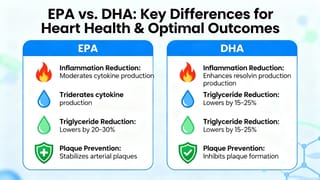
Recent research suggests that consuming approximately 3 grams of omega-3 fatty acids daily, whether through diet or supplements, may offer a modest reduction in blood pressure. This finding comes from a comprehensive review of numerous studies examining the effects of docosahexaenoic acid (DHA) and eicosapentaenoic acid (EPA) on blood pressure.
Key Takeaways
- Approximately 3 grams of omega-3 fatty acids (DHA and EPA) per day may be optimal for lowering blood pressure.
- Individuals with existing high blood pressure may experience greater benefits from omega-3 intake.
- While research supports these benefits, more studies are needed to establish definitive health claims.
Understanding Omega-3s and Blood Pressure
Omega-3 fatty acids, commonly found in fatty fish like salmon, tuna, and sardines, have long been associated with potential heart health benefits. However, the precise amount needed to impact blood pressure has been a subject of ongoing research. This latest analysis, which synthesized data from 71 clinical trials involving nearly 5,000 adults, aimed to clarify this relationship.
Dosage and Impact
The review indicated that consuming 2-3 grams daily of a combination of DHA and EPA led to an average reduction of 2 mmHg in both systolic and diastolic blood pressure compared to those who did not consume these fatty acids. For individuals already experiencing high blood pressure, a daily intake of 3 grams of omega-3s resulted in a more significant drop of approximately 4.5 mmHg in systolic blood pressure. Higher doses, such as 5 grams per day, showed a nearly 4 mmHg reduction in systolic blood pressure for those with hypertension.
Dietary Sources and Supplements
While fatty fish are a primary source of DHA and EPA, the research noted that many studies focused on fish oil supplements. This suggests that supplements can be a viable alternative for individuals who do not regularly consume fatty fish. For those who avoid animal products, algae-based supplements containing DHA and EPA are also available.
Current Recommendations and Future Research
Existing recommendations from organizations like the National Institutes of Health suggest a daily intake of 1.1-1.6 grams of omega-3s, while the American Heart Association advises eating two servings of fish per week. Although this new research provides compelling evidence, the U.S. Food and Drug Administration (FDA) still considers the evidence for omega-3s reducing high blood pressure or heart disease risk to be inconclusive, though they do permit certain health claims on food and supplements. Further research is ongoing to solidify these findings and explore the full potential of omega-3 fatty acids in cardiovascular health management.
Sources